
Sidewalks, Walkways & Flatwork
Professional concrete flatwork installation creating safe, attractive pathways and surfaces for residential and commercial properties.
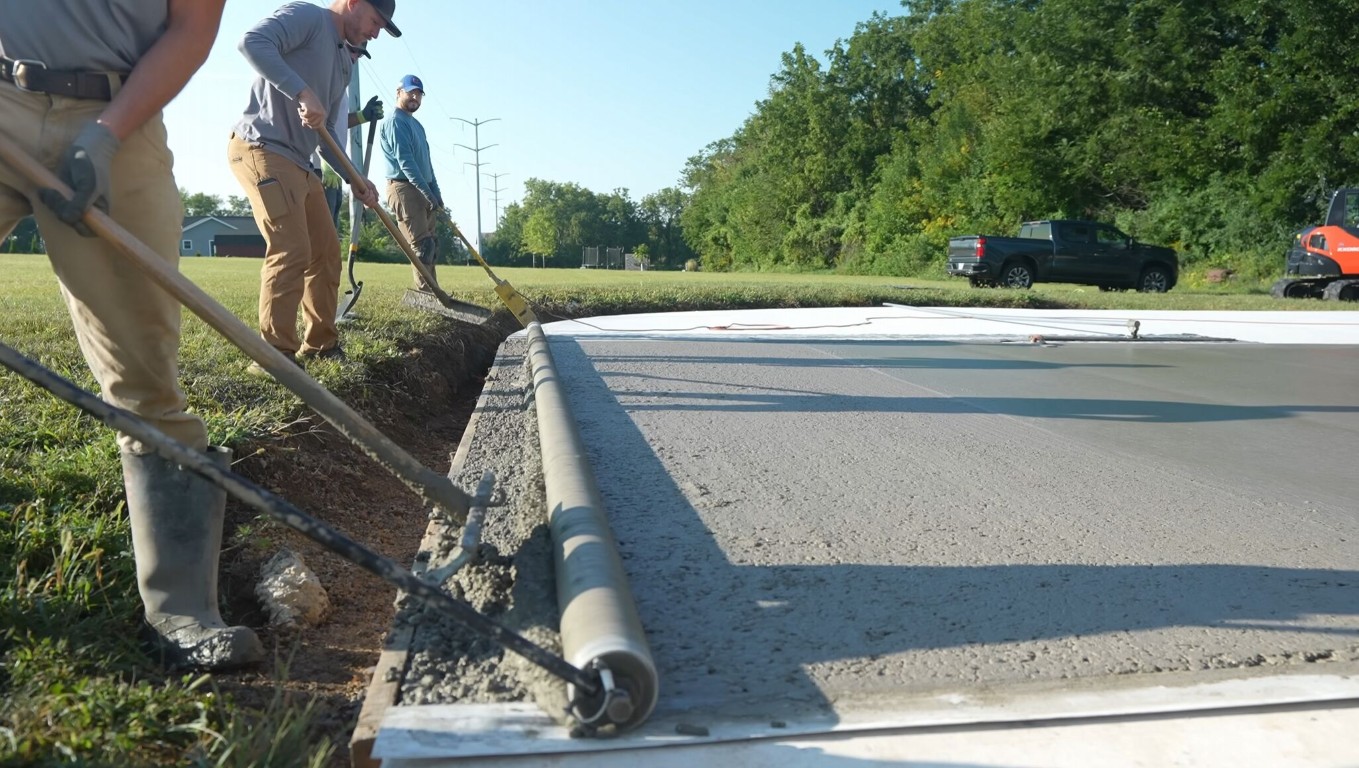
Essential Concrete Flatwork for Every Property
Sidewalks and walkways are more than just practical necessities. They guide visitors to your door, define your property's layout, and create safe passage around your home or business. Quality concrete flatwork combines function and appearance, giving you durable surfaces that look great and stand up to daily foot traffic for decades.
Here in San Luis, AZ, we understand the importance of proper flatwork installation. Sidewalks must meet local codes for width, slope, and accessibility. Walkways need proper drainage to prevent water pooling. And all flatwork requires a solid base to prevent cracking and settling. These details make the difference between concrete that lasts and concrete that becomes a maintenance headache.
SLC San Luis Concrete specializes in all types of concrete flatwork. Whether you need a simple front walkway, extensive commercial sidewalks, or decorative pathways throughout your property, we bring the expertise to do it right. We work with homeowners, businesses, and property managers to create concrete surfaces that meet both practical needs and aesthetic goals.
Types of Flatwork We Install
Flatwork is a general term for any horizontal concrete surface. While the basic installation principles are similar, different applications have unique requirements. We handle all types of flatwork projects with the same attention to detail and quality craftsmanship.
Common Flatwork Applications
- •Sidewalks: Public and private walkways along streets, driveways, and property lines that meet ADA requirements.
- •Walkways: Paths connecting different areas of your property from driveway to front door or house to backyard.
- •Garden Paths: Decorative walkways winding through landscaping with options for stamped or colored finishes.
- •Aprons and Approaches: Transitions between driveways and streets or garages and parking areas.
- •Commercial Flatwork: Loading areas, equipment pads, and pedestrian zones for business properties.
Each type of flatwork has specific thickness, reinforcement, and finishing requirements. We design and build according to how the surface will be used, ensuring it handles the expected traffic and loads. For larger surface areas, check out our concrete patio services which use similar techniques on a bigger scale.
Installation Process and Best Practices
Quality flatwork starts with proper planning and site preparation. We begin by determining the best route for walkways and sidewalks, considering drainage, existing landscaping, and how people naturally move around your property. Sometimes the most direct path isn't the best choice when you factor in aesthetics and long-term functionality.
Site preparation involves excavating to the right depth, removing organic material, and creating a stable base. The base is typically compacted gravel that provides drainage and prevents settling. We ensure proper slope away from buildings to keep water flowing where it should. These foundation steps are critical even though you'll never see them in the finished work.
Forms are set precisely to create clean edges and proper dimensions. For wider sections, we add reinforcement like wire mesh or rebar to prevent cracking. Control joints are planned and cut at regular intervals, directing any minor cracks to predetermined locations where they're less visible and problematic.
The concrete pour and finishing require skill and timing. We use the right concrete mix for the application and finish the surface with appropriate texture for traction. Smooth finishes look nice but can be slippery when wet, so we typically use a broom finish for outdoor walkways. Curing takes several days before the concrete is ready for full use. If you're also planning driveway work, our driveway installation services complement walkway projects perfectly.
Frequently Asked Questions
How wide should a walkway be?+
Walkway width depends on its purpose and location. A main front walkway should be at least 4 feet wide to allow two people to walk side by side comfortably. Side paths and secondary walkways can be narrower, around 3 feet. Public sidewalks typically need to be 5 to 6 feet wide to meet accessibility standards. For commercial properties, wider walkways handle higher traffic volumes better. We help you determine the right width based on expected use, local codes, and your budget. Wider is generally better for main paths since it creates a more welcoming appearance and better functionality.
Do I need permits for sidewalk installation?+
Permit requirements vary depending on location and scope. Public sidewalks along streets almost always require permits and must meet city or county specifications. Private walkways on your property may not need permits unless they're part of larger construction projects. We're familiar with local requirements in San Luis, AZ and can advise you on what's needed for your specific project. When permits are required, we work with you to ensure all applications and inspections are handled properly. It's always better to check requirements upfront rather than deal with compliance issues later.
How long does flatwork installation take?+
Most residential walkway projects take one to three days for installation. This includes site prep, forming, pouring, and finishing. The concrete then needs several days to cure before you can walk on it normally. Larger commercial projects or complex layouts take longer. Weather affects timing since we need dry conditions for pouring and proper temperatures for curing. We provide realistic timelines upfront and keep you informed if anything changes. While the actual work happens relatively quickly, planning for adequate cure time is important for achieving the best long-term results.